

Perform Umrah the Right Way: Sunnah Steps, Duas & Practical Guide
Umrah is a deeply meaningful act of worship in Islam that allows Muslims to strengthen their connection with Allah and follow the path shown by the Prophet Muhammad ﷺ. The Messenger of Allah ﷺ said: “The performance of ‘Umrah is an expiation for the sins committed between it and the previous one” (Sahih al-Bukhari, Sahih Muslim). Understanding Umrah in the light of the Sunnah is therefore essential, as it ensures that each step is performed correctly and sincerely.
This guide explains the Prophetic method of Umrah in a clear and structured way, along with its key Sunnah actions. It also highlights how pilgrims can follow Islamic teachings to make their journey spiritually fulfilling. For many, this blessed journey is supported by Umrah packages that help organize travel and reduce practical difficulties, allowing greater focus on worship.
Importance of Umrah
The Sunnah of Prophet Muhammad ﷺ is the most important source of guidance after the Quran. It provides a complete model for performing acts of worship with precision and sincerity. When Umrah is carried out according to this guidance, it becomes a deeply spiritual and rewarding experience.
The Prophet ﷺ performed Umrah and demonstrated its method to his companions. He said: “Take your rituals from me” (Sahih Muslim), highlighting the importance of following his example. Adhering to the Sunnah brings reward and helps the pilgrim maintain focus, humility, and inner peace throughout the journey.
Prophetic Way of Performing Umrah
The method taught by Prophet Muhammad ﷺ is simple and well-balanced. Each step carries spiritual meaning and encourages remembrance of Allah, sincerity, and humility. Following this guidance helps ensure that worship is performed correctly and accepted.
It should also be noted that minor differences may exist among scholars in certain details, but the core method remains agreed upon.
Entering Ihram with Intention
The journey of Umrah begins with making a sincere intention (niyyah) for the sake of Allah. The Prophet ﷺ said: “Actions are judged by intentions” (Sahih al-Bukhari, Sahih Muslim). A pilgrim enters the state of Ihram wearing simple garments, reflecting equality and humility before Allah.
At this stage, the pilgrim should focus on sincerity, repentance, and devotion, avoiding worldly distractions.
Talbiyah Recitation
After entering Ihram, the pilgrim begins reciting the Talbiyah: “Labbayk Allahumma Labbayk…” which expresses complete submission to Allah. The Prophet ﷺ recited Talbiyah frequently during his pilgrimage (Sahih al-Bukhari).
The recitation continues until the pilgrim begins Tawaf, according to the majority of scholars. This practice strengthens awareness of Allah and brings calmness to the heart.
Tawaf
Tawaf is an essential act (rukn) of Umrah in which the pilgrim circles the Kaaba seven times. It symbolizes devotion, unity, and obedience to Allah. The Prophet ﷺ performed Tawaf with calmness, remembrance, and humility.
- Pilgrim circles the Kaaba seven times in a state of focus and reverence
- Dua and remembrance of Allah continue throughout Tawaf
- Men may perform Ramal (brisk walking) in the first three rounds, as practiced by the Prophet ﷺ
- Men may also observe Idtiba (uncovering the right shoulder) during Tawaf
After completing Tawaf, it is Sunnah to pray two rak‘ah behind Maqam Ibrahim if possible, and to drink Zamzam water.
Sa’i
Sa’i is performed between the hills of Safa and Marwah, following the command of Allah: “Indeed, Safa and Marwah are among the symbols of Allah…” (Surah Al-Baqarah 2:158).
This act commemorates the struggle of Hajar (AS) and reflects patience, trust, and reliance on Allah.
- Walking takes place between Safa and Marwah with reflection
- Patience and trust in Allah remain central
- Pilgrim reflects on the perseverance of Hajar (AS)
This ritual strengthens faith and reminds the pilgrim of Allah’s mercy and provision.
Halq or Taqsir
The final step of Umrah is Halq (shaving the head) or Taqsir (trimming the hair). The Prophet ﷺ said: “O Allah, have mercy on those who shave,” repeating it three times, and then said, “and those who trim” (Sahih al-Bukhari).
This act marks the completion of Umrah and symbolizes humility and submission to Allah.
- Men shave or trim their hair
- Women cut a small portion of their hair
- This step signifies completion and renewal
With this, the pilgrim exits the state of Ihram and completes the Umrah.
Sunnah Acts of Umrah
Sunnah practices increase the reward of Umrah and enhance its spiritual value. These actions help the pilgrim remain focused and disciplined throughout the journey.
- Frequent recitation of Talbiyah before Tawaf
- Making dua regularly during all rituals
- Maintaining patience and humility
- Avoiding arguments, sins, and negative behavior
- Engaging in constant remembrance (dhikr) of Allah
These practices purify the heart and improve the overall experience of Umrah.
Preparing for Umrah According to Sunnah
Preparation before Umrah is important and helps ensure a meaningful journey. A pilgrim should prepare both spiritually and practically before departure.
- Learning the steps of Umrah properly
- Increasing Quran recitation and dhikr
- Making sincere intention for Allah alone
- Seeking forgiveness from others
- Practicing patience and good character
This preparation helps the pilgrim remain focused on worship throughout the journey.
Spiritual Benefits of Following Sunnah in Umrah
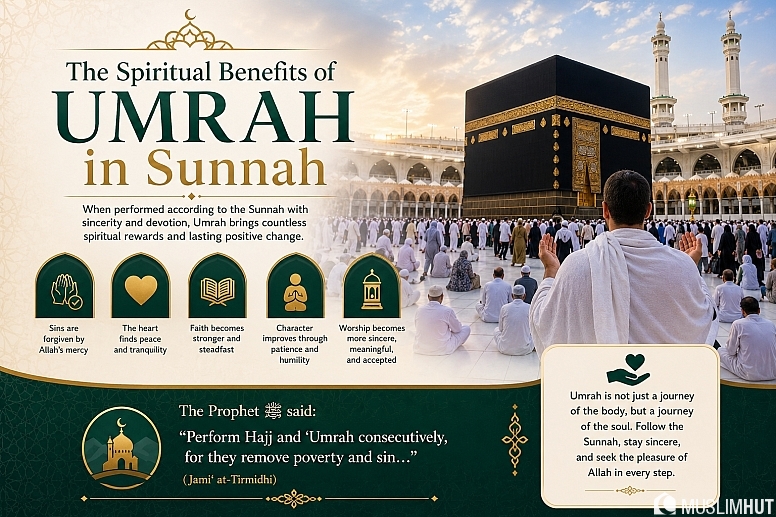
Following the Sunnah brings great spiritual benefit and strengthens the believer’s connection with Allah. The Prophet ﷺ said: “Perform Hajj and Umrah consecutively, for they remove poverty and sin…” (Jami‘ at-Tirmidhi).
Umrah, when performed sincerely, becomes a means of expiation for sins and a source of spiritual growth.
- Sins may be forgiven by the mercy of Allah
- The heart gains peace and tranquility
- Faith becomes stronger
- Character improves through patience and humility
- Worship becomes more sincere
Through following the Sunnah, Umrah becomes a truly transformative experience.
Conclusion
Umrah performed according to the Sunnah provides clear and authentic guidance for Muslims seeking a meaningful spiritual journey. It connects each act of worship with the teachings of Prophet Muhammad ﷺ, ensuring correctness and sincerity.
When performed in this way, Umrah becomes more peaceful and rewarding. Many pilgrims also choose the best Islamic travel agency to ensure their journey is organized and smooth. This allows them to focus fully on worship and their connection with Allah throughout the pilgrimage.
LEAVE A COMMENT
Categories
Recent Posts


0.0549